Print on demand and dropshipping describe related parts of an ecommerce operation. Print on demand concerns producing or customizing an item after an order is confirmed. Dropshipping concerns a supplier sending a product directly to a seller's customer. A clothing business can use both at the same time.
For a useful comparison, this guide looks at custom print-on-demand clothing and dropshipping ready-made clothing from a supplier's catalog. The choice depends on what makes your collection valuable, how you want to manage it and which responsibilities your supplier actually accepts. Neither arrangement removes the need to understand the product and support your customers.
Compare The Two Actual Workflows
With custom POD, you provide an artwork direction and choose a garment that can carry it. Production follows an approved order or request according to the provider's process. If the provider also ships that item to your buyer, the fulfillment arrangement is dropshipping as well.
With ready-made catalog dropshipping, you select an existing product and offer it through your selling channel. The supplier typically holds or sources the finished item and sends it according to the agreed process. Custom artwork may be unavailable or require a separate service.
The distinction matters because an original clothing brand may need a design capability that a broad ready-made catalog does not offer. A curated apparel shop may instead place more value on selecting finished styles from several sources.
Compare What You Can Control
| Decision | Custom Print On Demand | Ready-Made Catalog Dropshipping |
|---|---|---|
| Main product choice | A garment plus your approved artwork | An existing finished garment or style |
| Creative work | Develop and review the design and its appearance on the garment | Curate products and create a clear presentation for the selection |
| Stock questions | Confirm blank availability, sizes and production capacity | Confirm finished-product availability and stock updates |
| Timing questions | Check approval, production and shipping stages | Check processing and shipping stages, plus any sourcing delay |
| Packaging | Verify which branding and packing options are supported | Verify which supplier labels and documents accompany the item |
| Order transfer | May be manual or integrated, depending on the provider | May be manual or integrated, depending on the provider |
| Quality review | Inspect the garment and the added print together | Inspect the actual finished product and its consistency |
These are comparison questions, rather than promises that every provider works the same way. Request written details for the product and workflow you intend to use.
Choose The Kind Of Difference You Want To Offer
If your collection is built around an original illustration, a recognizable visual style or artwork made for a specific audience, a customization service is central to the offer. The garment becomes a foundation for a design that the buyer associates with your brand.
A ready-made selection can also have a clear identity. The value may come from a thoughtful edit of silhouettes, consistent product information or a shopping experience that helps someone choose among existing styles. Check whether the supplier allows the product presentation and branding you have in mind.
Write one sentence describing why the customer would choose your collection. Then ask which supplier capabilities are required to deliver that reason. This keeps the decision connected to the product instead of a generic claim that one business model is easier.
Evaluate The Complete Order Cost
Compare quotes for equivalent order scenarios. Keep the garment, customization, processing, shipping and any optional service charges visible. A low product headline can be less useful than a clear complete quote for the destination and quantity you need.
Also record your own project expenses, such as artwork development, samples, photography, selling-channel fees and customer acquisition. Use the same assumptions for both approaches when comparing them. Neither model guarantees a particular margin or a cheaper delivered order.
For the current MB studio's own listed product and delivery examples, see our POD T-shirt pricing guide. That guide covers MB's quote; use your actual provider and selling-channel costs for the rest of your project.
Ask Where Each Fulfillment Stage Happens
For U.S. customers, confirm where the item is stored, customized, dispatched and delivered. A provider offering U.S. delivery does not by itself establish where the blank garment was manufactured or where printing takes place.
Discuss production time and transit time separately. Ask what happens when a size is unavailable or an order needs a correction. If you are planning around a launch date, make sure the provider has confirmed the actual product, artwork and schedule before you announce an arrival promise.
Avoid treating a model name as a delivery guarantee. An integrated order transfer can save administration, but it does not itself establish a production deadline, a shipping service or the availability of every variant.
Confirm Branding And Customer Responsibilities
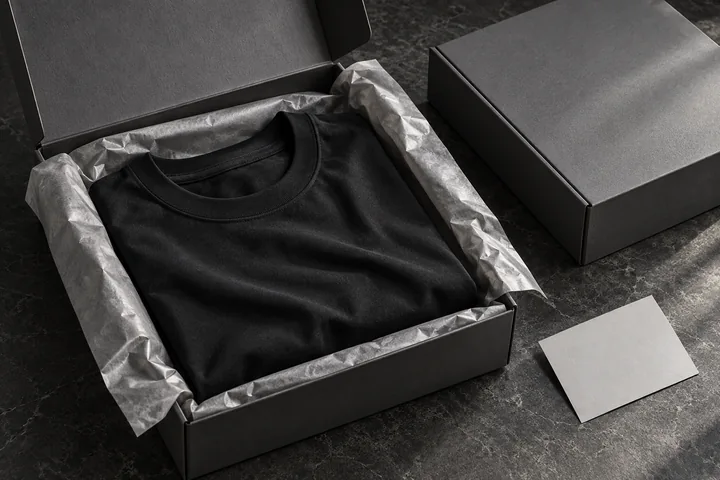
Packaging is part of the offer you make to a buyer. Ask whether the supplier's name, garment labels, prices or documents will appear in the package, and which changes can be requested. Confirm the supported options before publishing a white-label promise in your own store.
You also need a clear process for customer questions, incorrect addresses, damaged items and other order problems. Establish who reviews each issue and what information the supplier needs. Do not assume that handing shipping to another business also hands over every part of customer support.
MB POD Studio includes a direct-to-customer packaging request option. Our customer delivery guide explains the information and packaging preferences to review for that workflow.
Test The Product And The Process Together
Arrange a sample or a clearly defined test order before expanding a collection. Review the actual garment, its appearance, the packaging and the communication you received. Record what was agreed and what needs clarification.
For custom printing, the sample should let you assess the garment and artwork as one finished piece. For ready-made clothing, inspect the style, measurements and consistency against the supplier information you plan to use. A catalog photograph or an on-screen mockup cannot answer every physical product question.
Check the administrative steps as well: how the request is sent, how payment is arranged, how changes are approved and how tracking is shared. A manageable workflow is valuable even when you begin with only a few pieces.
Understand Where MB POD Studio Fits
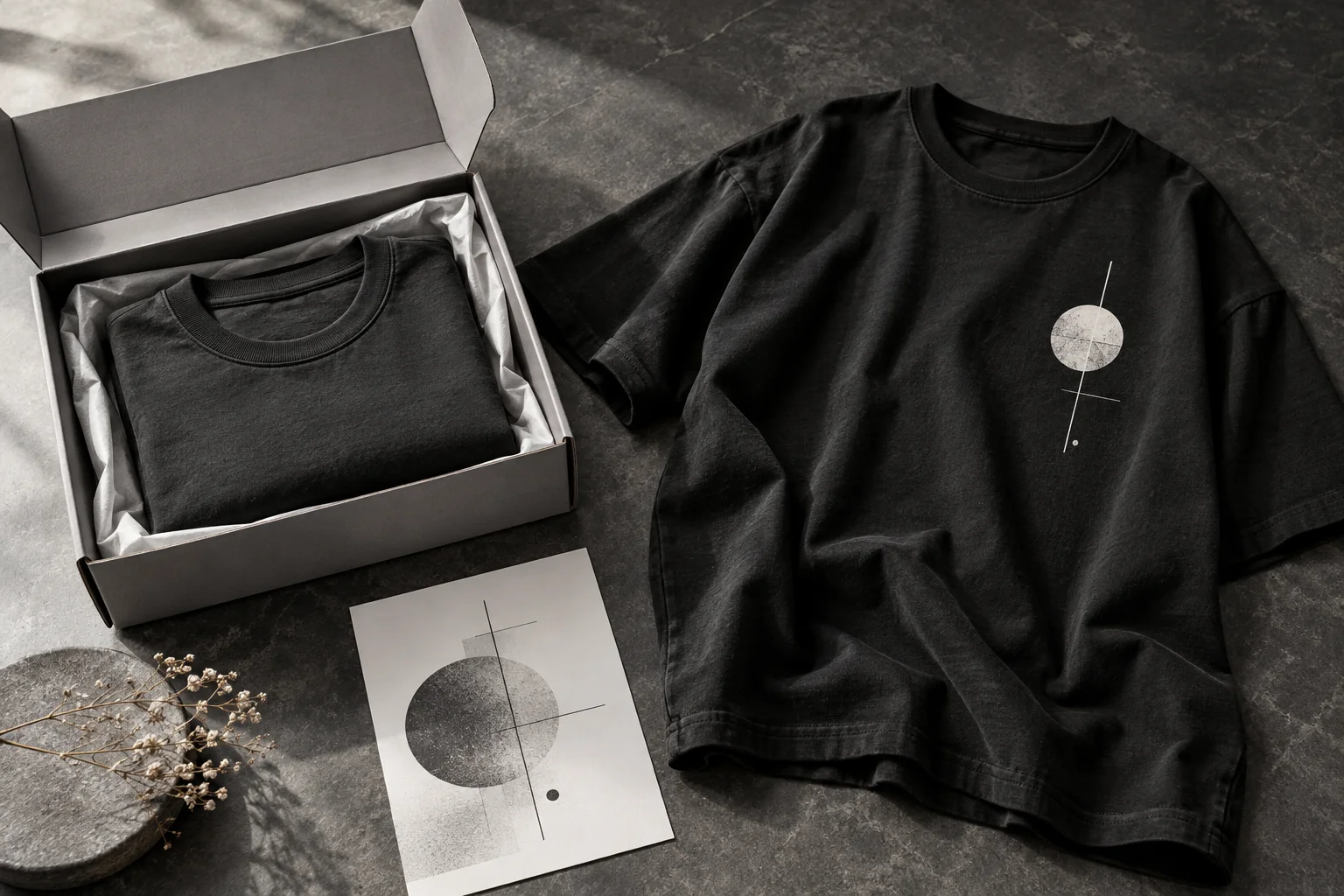
Minimal Basics provides a studio for preparing custom oversized T-shirt requests, with artwork previews and product selections. The current workflow accepts unpaid order requests that require confirmation of payment, production and dispatch arrangements.
It is not an automatic connection between your selling channel and a fulfillment account. If you need automated order imports or a different catalog, ask about the required arrangement rather than assuming it exists. Explore MB POD Studio when a custom oversized tee fits the product you are developing.
POD And Dropshipping Questions
Can A Print On Demand Business Also Use Dropshipping?
Yes. A custom item produced after an order and sent directly by the provider to your customer can use both a POD production model and a dropshipping fulfillment arrangement.
Is Print On Demand Always More Expensive?
Compare complete quotes for the same order needs. Product specifications, customization, quantities, destinations and service options can all change the comparison.
Does POD Tell Me Which Printing Method Is Used?
The model name alone does not specify the print technique. Ask the provider which process is appropriate for your artwork and garment, and confirm the result with a sample when appearance matters.